
Developmental Insights Edition 29

In this edition, I will be sharing how:
The Central African Republic enters a decisive phase after elections
The US has been criticised for a health deal with Zambia
Cambodia’s mass scam centres reveal humanitarian crises
Greece is under fire for law targeting aid groups
Femicide cases in Albania expose gaps in the protection system
The Central African Republic enters a decisive phase after elections
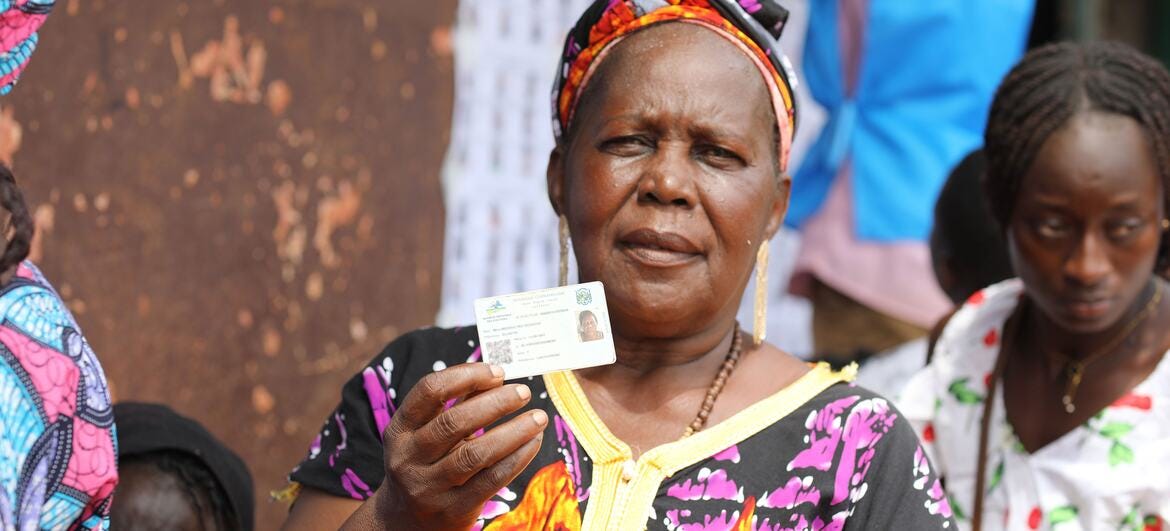
Following the country’s most extensive elections to date, the Central African Republic has entered a decisive period. These elections are an important milestone in stabilising the country which has been long affected by armed conflict and political stability. United Nations representatives told the Security Council that progress has been made in strengthening democratic institutions and advancing peace agreements. Nevertheless, security challenges remain significant, especially due to the continued presence of armed groups and fragile state authority outside major cities.
Despite political progress, the peace process remains vulnerable. Disarmament, reintegration of fights and the protection of civilians are ongoing priorities, while humanitarian needs stay high. The UN emphases that sustained international support is essential to consolidate gains, strengthen governance and prevent renewed violence. The near future will determine whether recent political achievements will translate into long term stability or whether unresolved security risks will undermine fragile peace.
The US criticised for health deal with Zambia
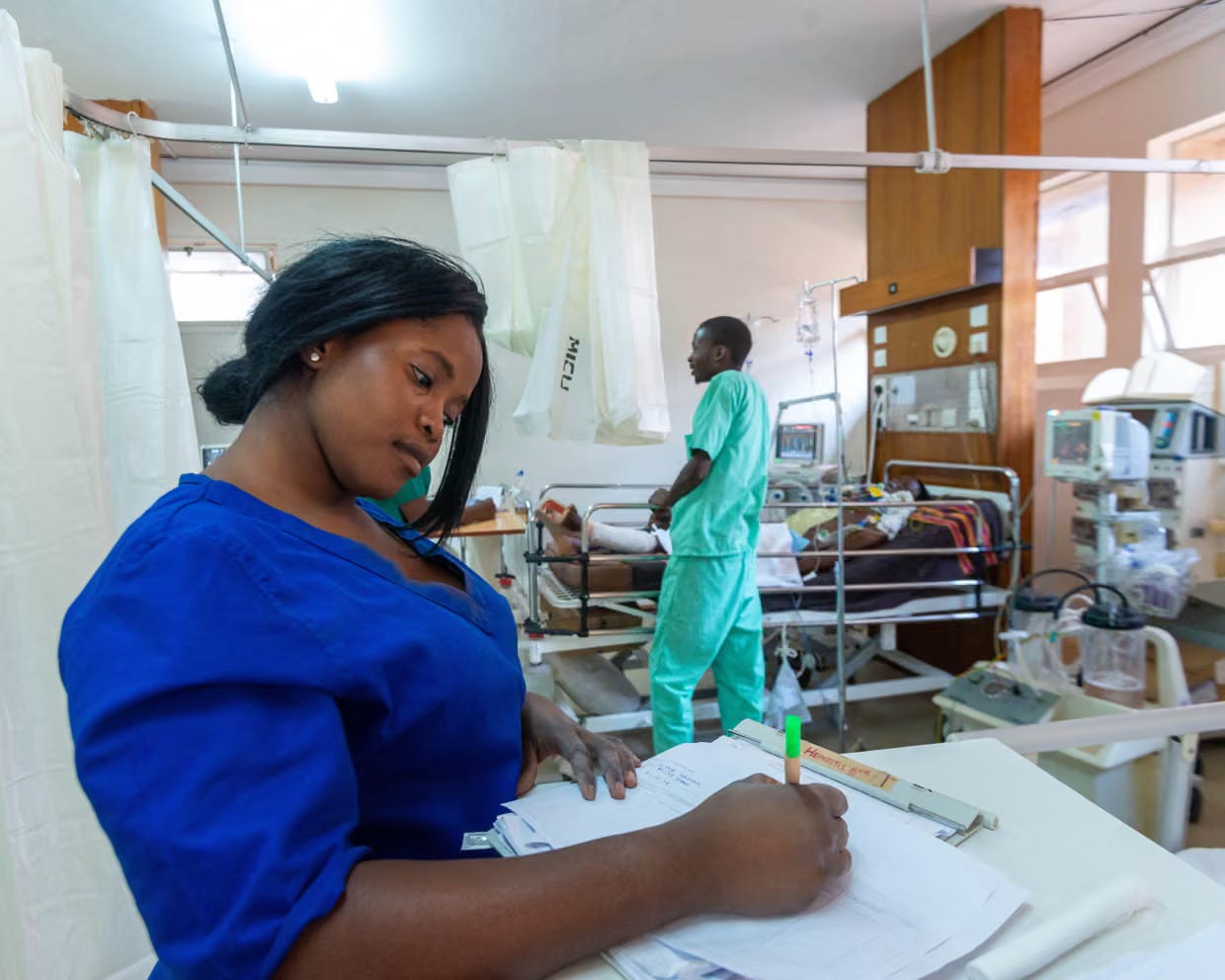
A proposed USD $1 billion health financing agreement with Zambia has sparked much criticism from civil society groups and health advocates. A leaked draft memorandum shows that the deal requires Zambia to share health data with the United States for up to 10 years and pathogen information for 25 years. Critics have argued how the conditions for this are unusually strict compared with similar agreements and risk undermining national sovereignty and data protection.
Controversy intensified after reports suggested links between health funding and broader economic interests, including cooperation with Zambia’s mining sector. Activists have warned how the agreement could make essential health services conditional on political and economic concessions, even destabilising the country’s healthcare system if targets are not met and funding withdrawn. US officials defend the deal as ensuring accountability and advancing national interests, however, campaigners continue to demand transparency and legal review before the agreement is finalised.
Cambodia’s mass scam centres reveal humanitarian crises
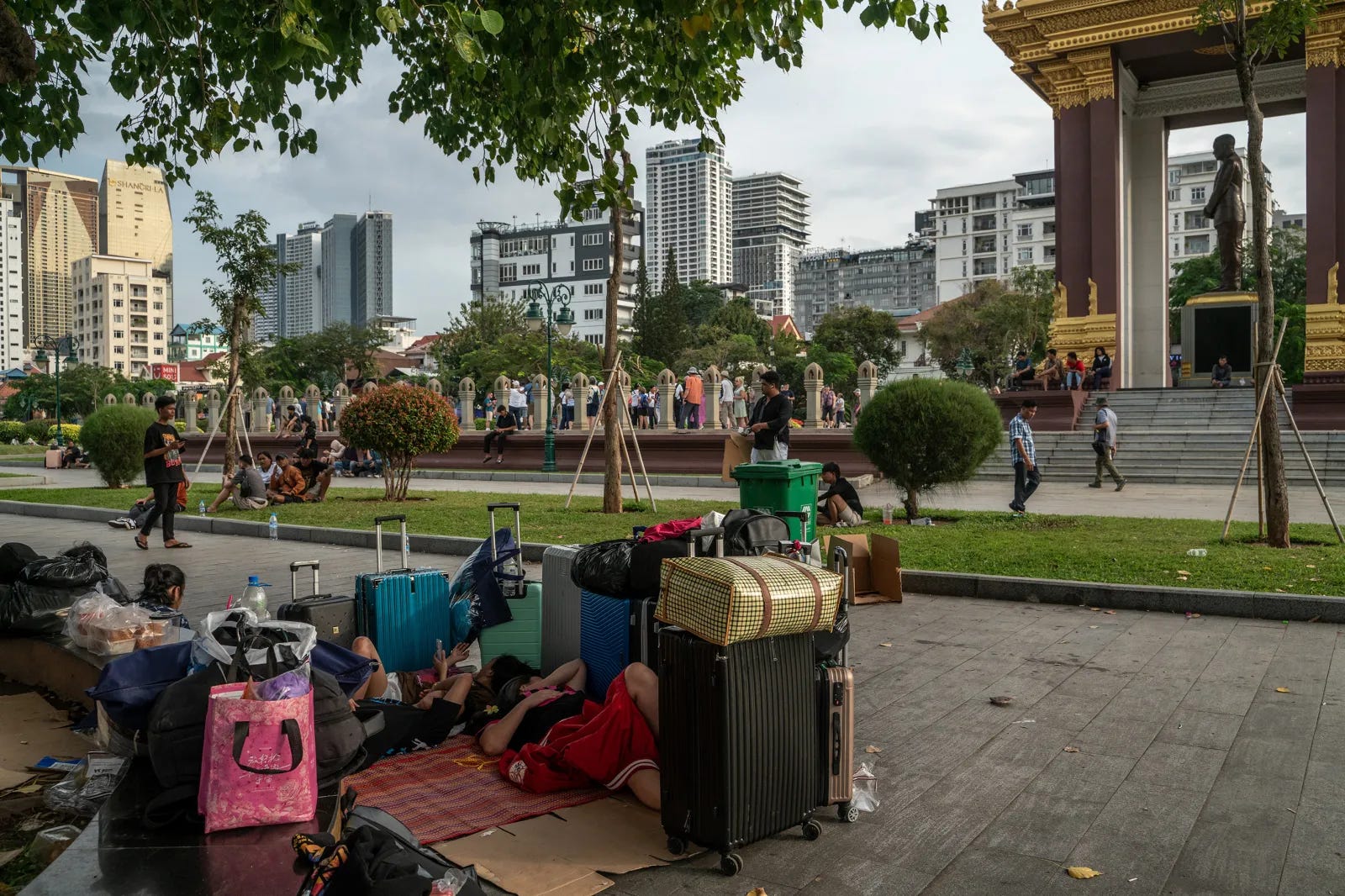
Mass escapes from cyber scam compounds in Cambodia have created serious humanitarian concerns as most have emerged without any protection or support. The survivors have described abuse, coercion and confinement and being without money, a legal status or even any assistance.
Unfortunately, those that have contacted authorities and international organisations for help have received very little response, exposing gaps in humanitarian coordination. Many of the survivors are from African and Asian countries and they lack embassy representation. This crisis in Cambodia highlights how trafficking linked to the global scam industry has evolved into a transnational humanitarian emergency.
Greece under fire for law targeting aid groups
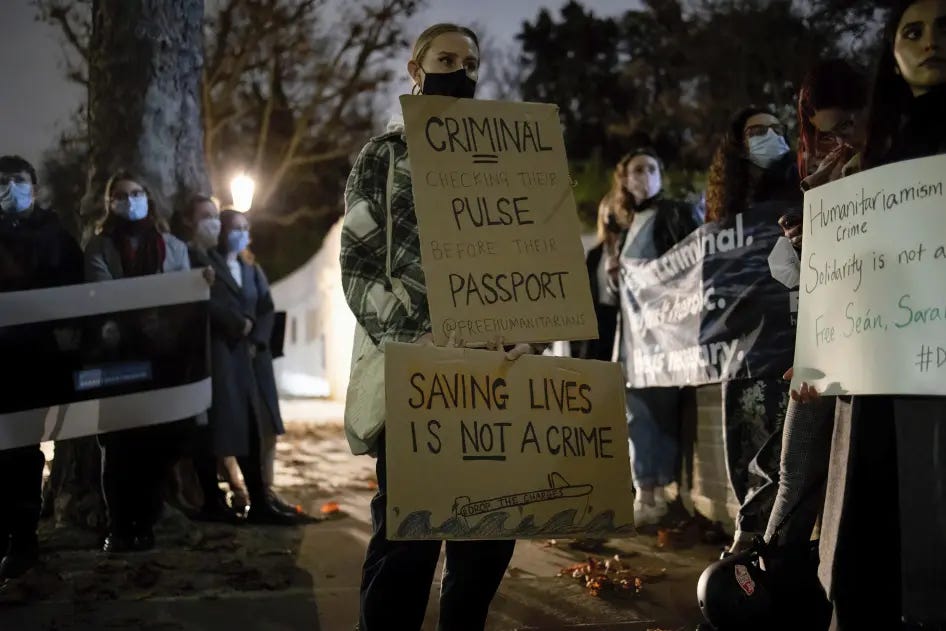
The Human Rights Watch criticises a new Greek law which regulates NGOs working with migrants and refugees, stating that it imposes excessive restrictions on humanitarian organisations. The legislation expands government authority over NGO registration and allows the migration minister to deregister groups without court oversight. Rights advocates say that the measures add to an already complex regulatory system which could obstruct humanitarian work.
The law risks criminalising solidarity and discouraging organisations that provide lifesaving assistance to migrants, particularly in border regions and the sea. Critics argue that the policy reflects a broader European trend of tightening civic space under migration control frameworks.
Femicide cases in Albania expose gaps in the protection system
Between 2021 and 2023, 24 gender motivated kills were recorded in Albania. Although there are legal protections such as restraining orders and support services in place, experts argue that institutional responses remain slow and fragmented. There are also persistent barriers to seeking protection with only a small number reporting abuse.
A key issue is that femicide is not legally recognised as a separate crime in Albania, meaning that gender motives are treated only as aggravating factors in homicide cases. Activists and legal experts argue that this limits accountability and obscures the structured nature of violence against women. To tackle this issue, legal reform itself is insufficient. Rather, deeper cultural change, stronger coordination between institutions and sustained social support systems are necessary.

I hope you liked this edition of Developmental Insights! Please subscribe to the newsletter if you would like to continue receiving it straight to your inbox every Friday!
As mentioned in previous editions, I am always open to any feedback or suggestions. You can send anything to developmentalinsights@gmail.com or, simply add a comment below!
I look forward to connecting with you further in future editions!
Best,
Harkiran