
Developmental Insights Edition 27
In Discussion: The key events which shaped the humanitarian sector in 2025

Welcome to Edition 27 of Developmental Insights! In this edition, I will be discussing:
Very deep poverty in the UK
Small scale farmers and their impact on the rich world’s food
Action Aid rethinking their sponsorship model in a move to decolonise their work
AI usage in the US to boost recycling
The impact of drought in Somalia on children
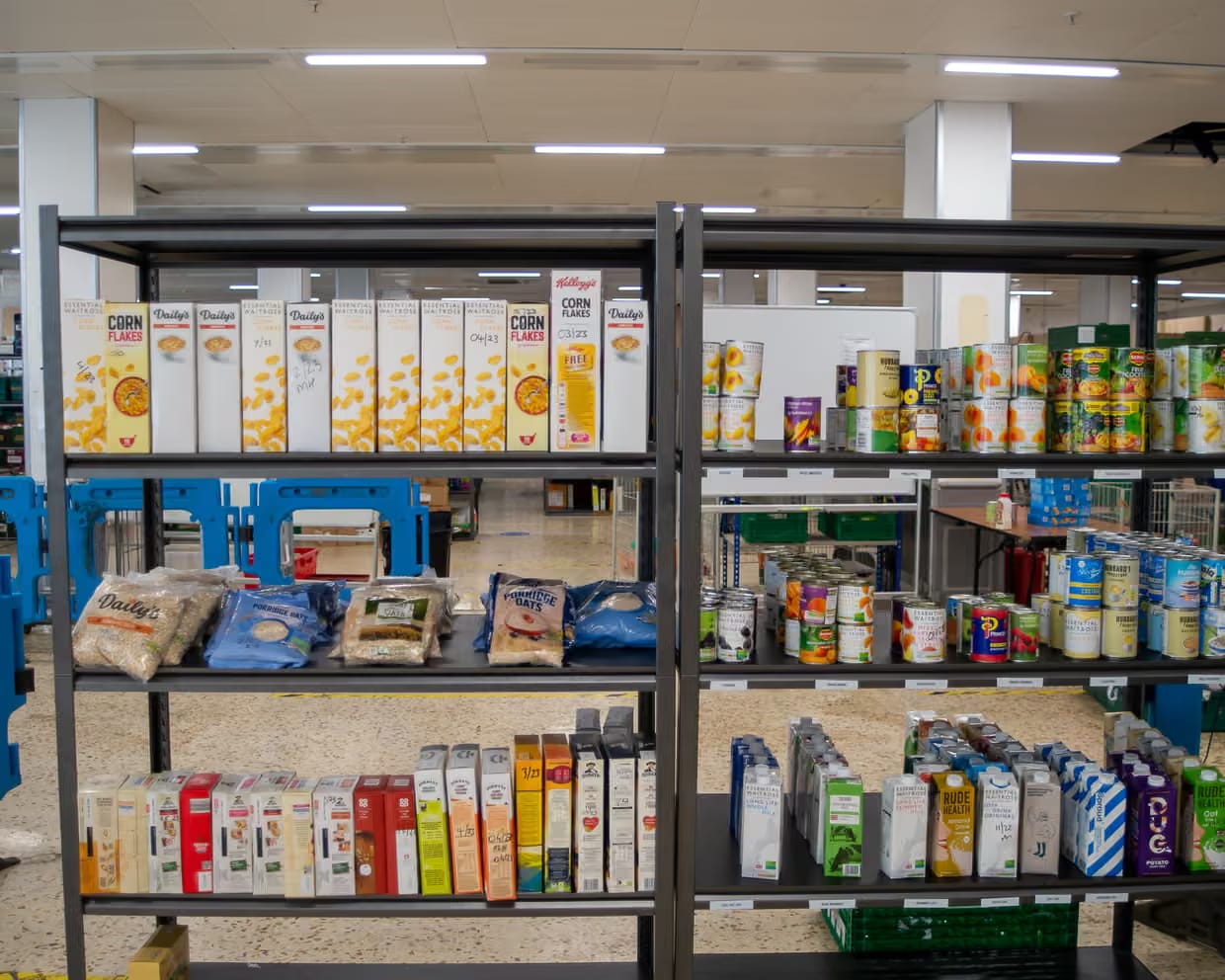
There is a record number of people in the UK living in ‘very deep poverty’
A new study by the Joseph Rowntree Foundation (JRF) has found how the number of people living in ‘very deep poverty’ in the UK has reached a record high, with an estimated 6.8 million individuals, nearly all of those in poverty, surviving on extremely low incomes. JRF has defined ‘very deep poverty’ as those that are living on less than 40% of the poverty threshold after housing costs. Whilst the overall relative poverty rate remains around 21%, the depth of hardship for the poorest has worsened, with many struggling to afford basic essentials such as food, energy and clothing.
The study also highlights that about 1.9 million people are persistently stuck at this depth of poverty, and 3.8 million are classed as destitute - unable to stay reliably warm, dry and fed. The JRF criticised the lack of progress under the previous Conservative governments from 2010-2024, noting that the recent policy moves by the Labour government - such as scrapping the two-child benefit limit - could reduce child poverty substantially. Nevertheless, the report warns that broad strategic efforts are still lacking, pointing to rising food insecurity and inadequate welfare support among the broader low- income population.
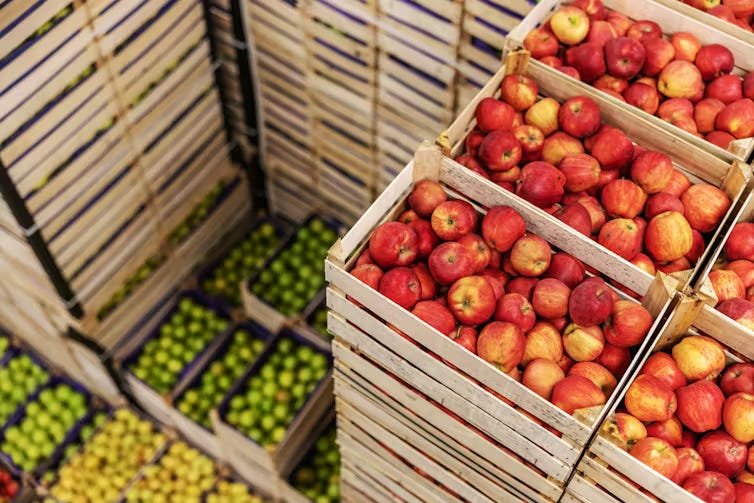
New study finds that small scale farmers produce more of the rich world’s food than thought previously
A new study challenges assumptions about who really produces the food that is consumed in wealthy nations such as the UK and the US. In these countries, the contributions of small-scale farms and farmers are extremely significant, producing one-third of the food that is consumed. This share was previously under-recognised as export- import patterns were not fully accounted for.
The research also emphasises the broader role of small-scale farming in global food security, stating that such farms not only provide diverse crops like fruits, vegetables and pulses but they also help to sustain diets for billions of people worldwide. Nevertheless, there are many structural challenges with many smallholders facing insecure land rights, climate risks and unequal trade terms, all of which hinder their livelihood and the long term food system resilience.
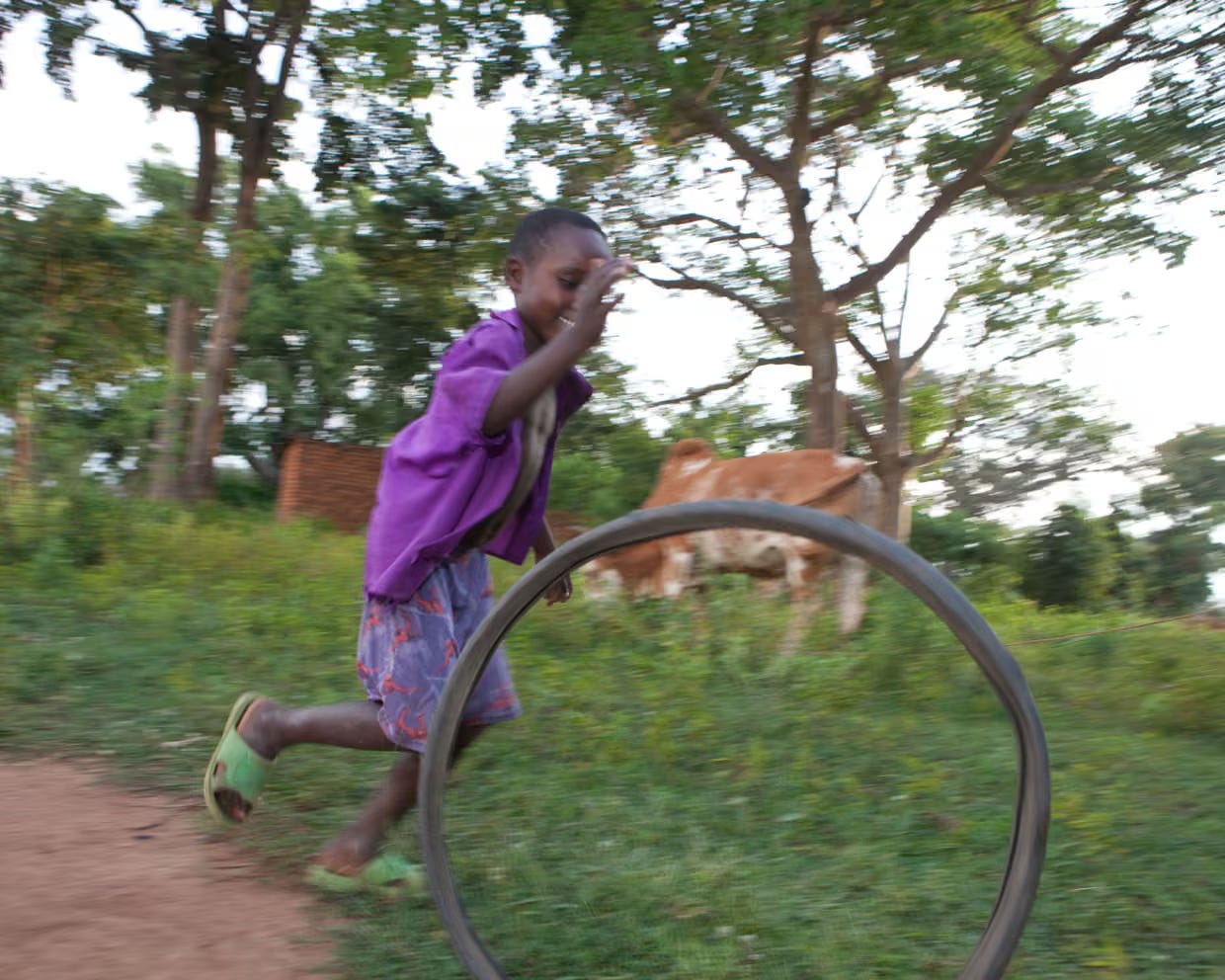
ActionAid to rethink child sponsorship as part of its plan to decolonise work
ActionAid is shifting away from its longstanding child sponsorship model (launched in 1972) as part of a plan to decolonise its funding and programmes. This move has sparked debate within and beyond the organisation with supporters of the change arguing that traditional sponsorship schemes can unintentionally commodify poverty and reinforce unequal power dynamics between donors and communities. On the other hand, critics of the model, including some academics and local staff, see it as outdated and potentially harmful, instead favouring newer approaches like direct cash transfers.
Nevertheless, the transition has also received much criticism from longtime supporters and donors who feel that the organisation’s model has supported education and women’s empowerment. These donors have called for clearer communication and more inclusive dialogue as ActionAid navigates the shift, showcasing the complexity of reforming aid practices without alienating stakeholders.
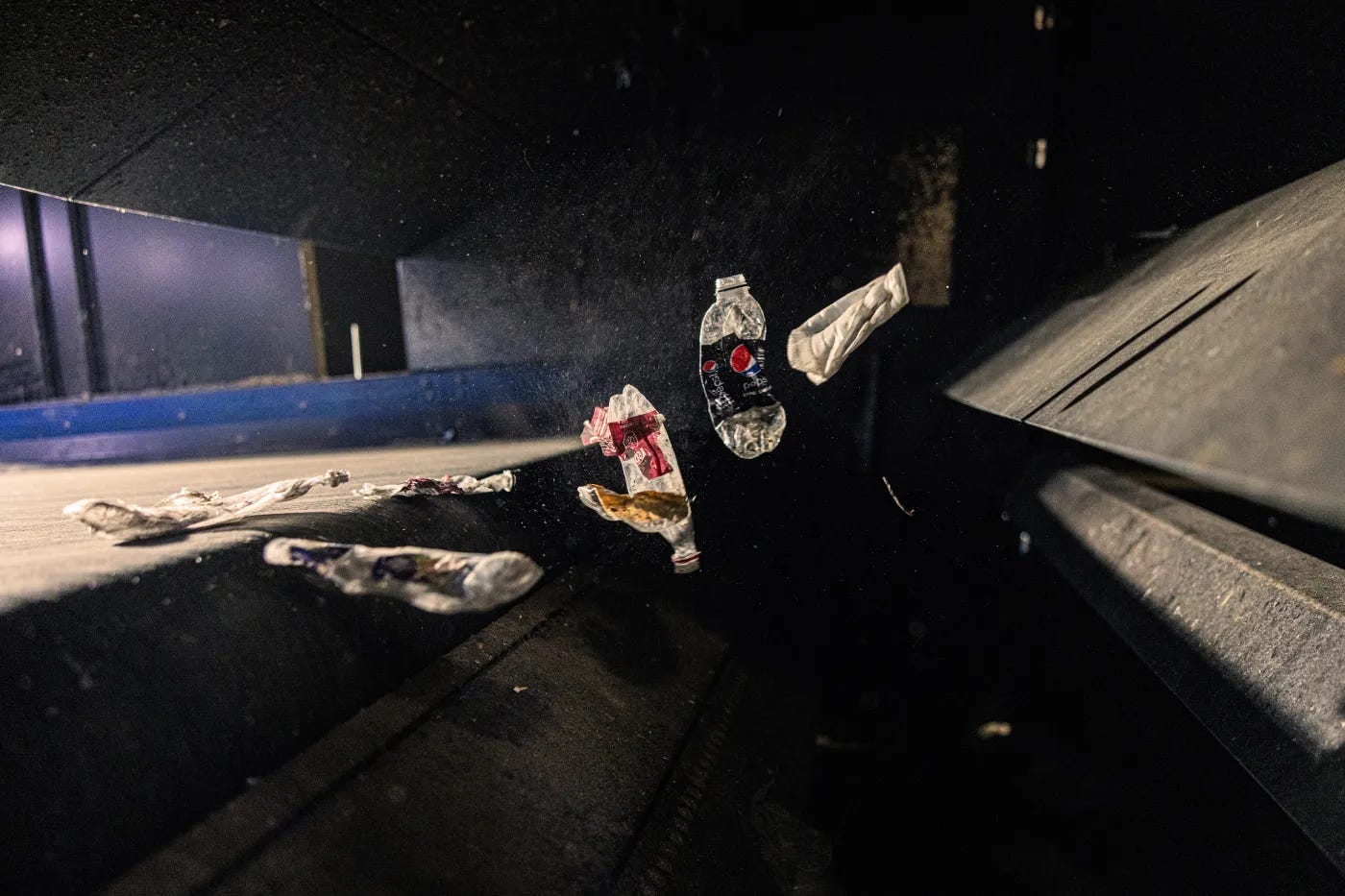
US Cities use new AI tools to boost recycling
Cities in the United States are increasingly turning to AI to tackle stagnating recycling rates and growing waste management challenges. Traditional recycling in the US has been hampered by low public participation, contamination of recyclable materials and high labour costs, with many municipalities struggling to reduce the volume of waste headed to the landfill. Advanced AI driven sorting systems, including robotic facilities that can process mixed waste streams, are emerging as promising solutions.
These technologies not only improve the efficiency of material separation but also support initiatives such as AI-equipped cameras on collection trucks that provide feedback to residents on correct recycling practices. Experts state that these approaches could lower costs for local authorities and expand recycling access to rural areas.
Children in Somalia facing hunger due to drought
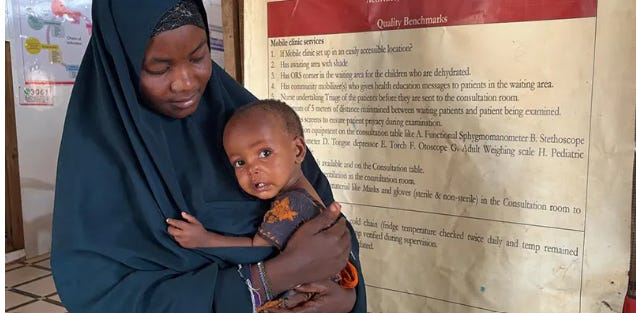
Children in Somalia are facing a catastrophic hunger crisis as prolonged drought and failed rainy seasons decimate crops and livestock, leaving vast numbers of families without reliable food sources. There has been a severe deterioration in food consumption across multiple regions, with a high proportion of households struggling to provide adequate meals. The crisis is already causing significant disruptions in education and childcare routines as children are withdrawn from school to help find food and support their families.
The lack of food is pushing children towards life- threatening levels of malnutrition, with many households in some areas experiencing chronic food insecurity. Shortfalls in international aid and persistent climate shocks have further aggravated the situation, and without urgent increases in humanitarian support, children are facing an increased risk of severe malnutrition and death.
In Discussion: The key events which shaped the humanitarian sector in 2025
An article from DevelopmentAid has revealed some key events that reshaped humanitarian aid in 2025. These are:
The pulling of USAID
In January 2025, President Trump dismantled the U.S. Agency for International Development, an order which froze foreign aid and canceled the majority of contracts. By July, the Agency, which previously accounted for 16% of global official development assistance (ODA), officially closed after over 90% of its programmes were terminated. This eliminated more than USD $40 billion in aid. The scale of the loss impacted more than 150 countries and 150 million people, removing support from food aid, emergency relife, vaccinations, HIV/AIDs treatment and refugee support amongst others.
Western donor cuts
The US cuts to aid also triggered aid budgets in the West to shrink. ODA across the Organisation for Economic Co-operation and Development (OECD) donors fell from 6% in 2024 to a further 9-17% in 2025. Governments stated fiscal pressure, domestic priorities and security concerns as their reasons for doing this.
Mass redundancies
As funding collapsed, humanitarian employment also followed, with job losses reaching historical levels. A sector wide lay off tracker found that at least 233,818 humanitarian jobs had been lost across 159 agencies, including nearly 20,000 in the US by mid 2025, with this figure continuing to rise as funding dried up. According to UK based global non-profit ALNAP, more than 31,000 jobs were cut across eight agencies, eight international NGOs and the International Committee of the Red Cross.
A strained United Nations
The funding shock echoed throughout the United Nations system. Major agencies announced far- reaching cuts, with the World Food Programme and UNHCR reducing its workforce by 30%, including half of the senior posts and the Office for the Coordination of Humanitarian Affairs laying off roughly 500 employees.
Politicisation and militarisation of aid
In 2025, humanitarian aid increasingly became a tool of political control. Aid distribution, traditionally known by its neutrality, impartiality and independence, became conditional on alignment politically and local control. The U.S. America First Global Health Strategy also reframed assistance as ‘commercial diplomacy’. This policy directed funding towards the procurement of American-made medicines, diagnostics and technologies.
Retreat from multilateral agreements
The decline of multilateralism became a defining trend in 2025. The United States formally gave notice of its withdrawal from the Paris Climate Agreement, rejoining a small group of countries outside the 2015 accord that aimed to limit global warming. The country also announced its exit from UNESCO and the United Nations Relief and Works Agency for Palestine Refugees in the Near East.
I hope you liked this edition of Developmental Insights! Please subscribe to the newsletter if you would like to continue receiving it straight to your inbox every other Friday!
As mentioned in previous editions, I am always open to any feedback or suggestions. You can send anything to developmentalinsights@gmail.com or, simply add a comment below!
I look forward to connecting with you further in future editions!
Best,
Harkiran
Really good read Harkiran!